
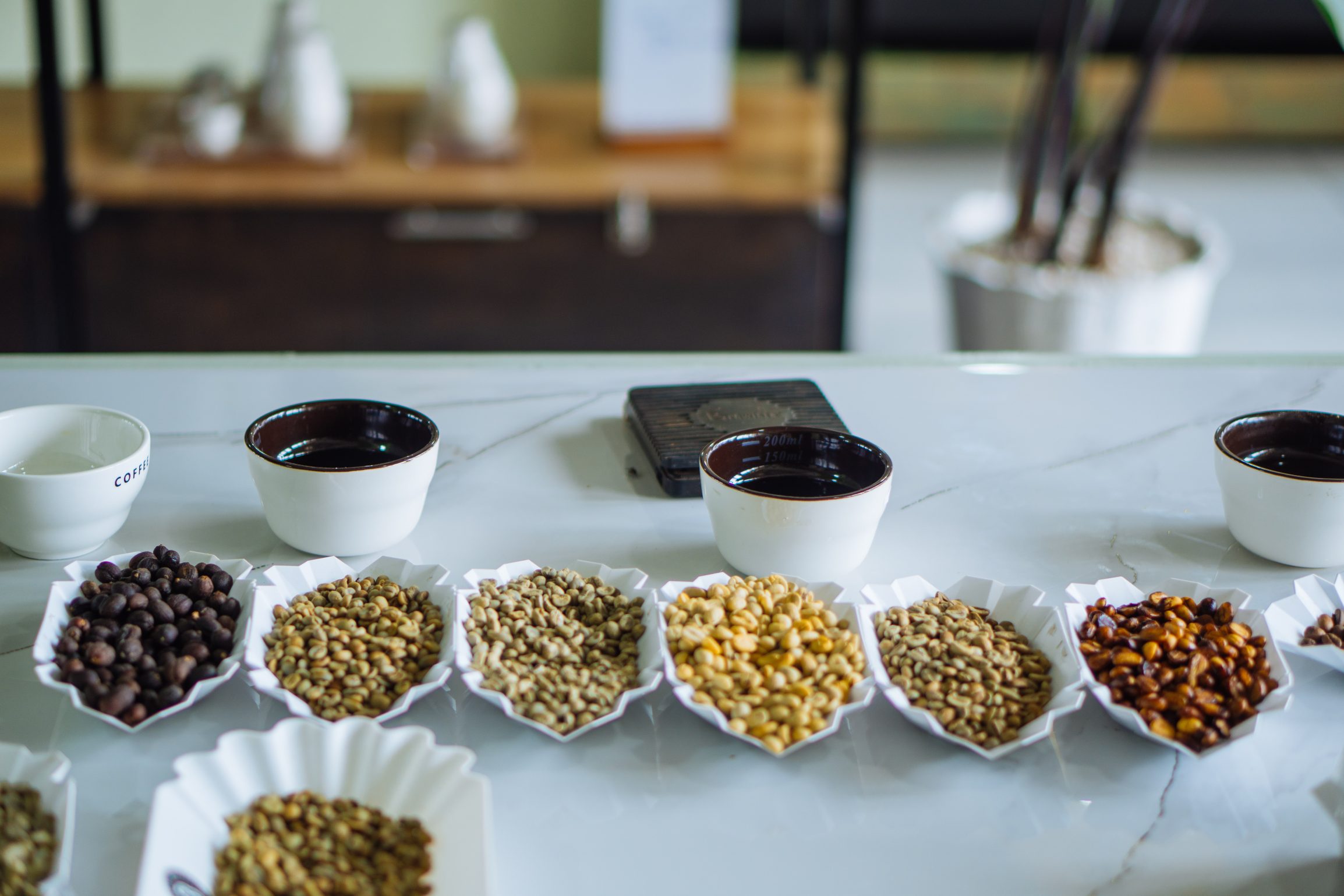
Did you know that coffee contains more than 800 flavor compounds? That’s nearly twice as many as wine. In fact, a single cup of specialty coffee can showcase multiple tasting notes—from citrus and berries to chocolate, nuts, or even flowers.
If you’ve ever bought a bag of coffee beans, you’ve probably seen flavor notes such as strawberry, jasmine, or dark chocolate printed on the label. But are these flavors really present in the coffee, or are they simply marketing terms?
To answer that question, we first need to understand the difference between taste and flavor.
Taste vs. Flavor: What’s the Difference?
The remarkable diversity of coffee flavors comes from a combination of factors, including:
- Coffee variety (cultivar)
- Growing conditions and terroir
- Altitude
- Processing method
- Roasting profile
- Brewing technique
Each step influences the hundreds of flavor compounds found in coffee. That’s why two coffees from different regions can taste completely different, even when brewed the same way.
A naturally processed Kintamani coffee, for example, may remind you of citrus and tropical fruits, while a washed coffee from Sumatra might showcase spice and chocolaty notes.
Why Does Specialty Coffee Have So Many Flavors?
The remarkable diversity of coffee flavors comes from a combination of factors, including:
- Coffee variety (cultivar)
- Growing conditions and terroir
- Altitude
- Processing method
- Roasting profile
- Brewing technique
Each step influences the hundreds of flavor compounds found in coffee. That’s why two coffees from different regions can taste completely different, even when brewed the same way.
A naturally processed Kintamani coffee, for example, may remind you of citrus and tropical fruits, while a washed coffee from Sumatra might showcase spice and chocolaty notes.
How to Identify Flavors in Coffee?
Recognizing coffee flavors takes practice.
While identifying sweetness, bitterness, or acidity is relatively straightforward, pinpointing specific tasting notes requires training both your palate and your sense of smell.
One of the best ways to improve your coffee tasting skills is to expose yourself to a wide range of aromas and flavors in everyday life. Experience our Coffee Tasting to discover the unique flavors of Bali’s specialty coffee.
Taste different fruits. Smell fresh flowers. Pay attention to the aroma of spices, nuts, chocolate, herbs, and even different types of wood. The more sensory references you build, the easier it becomes to recognize similar characteristics in coffee.
Think of your brain as creating a personal flavor library. Every new aroma or taste you experience adds another reference point. When you encounter a similar compound in coffee, you’ll be more likely to identify it.
The Secret to Better Coffee Tasting
The next time you drink a cup of coffee, don’t just focus on whether it’s good or bad.
Take a moment to smell it. Notice the aromas before taking a sip. As the coffee cools, pay attention to how the flavors evolve and what memories or foods they remind you of.
Coffee tasting isn’t about finding the “correct” answer. It’s about training your senses and building connections between what you smell, taste, and experience. Join our Coffee Tasting experience to explore Bali’s specialty coffee from bean to cup.
The more you explore the world of flavors around you, the more you’ll discover in every cup of coffee.