Introduction: Where Does Coffee Really Come From?
Most people recognize coffee beans and coffee cherries from café menus and product packaging. However, few truly understand the origin of coffee and how it begins its journey. Before coffee becomes a drink we enjoy every day, it starts as a delicate flower growing on a coffee tree.
Understanding the coffee life cycle helps coffee lovers appreciate the craftsmanship, nature, and hard work behind every cup.
The Coffee Flower: The Beginning of Coffee Production
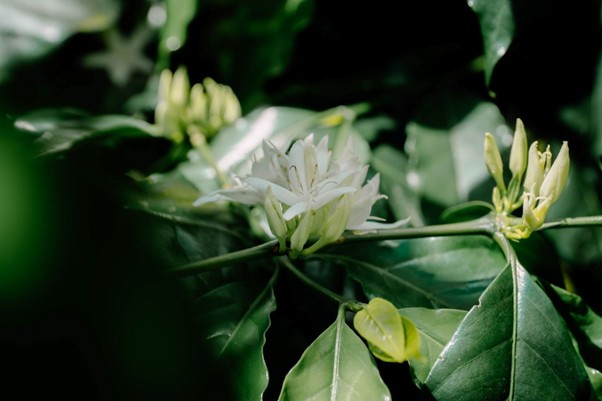
Coffee begins with a flower. The coffee flower is white, small, and highly aromatic, often compared to the scent of jasmine. The blooming of coffee flowers signals the first and most critical stage of coffee production.
These flowers grow in clusters along the branches of the coffee tree and usually bloom after periods of rainfall. Each flower represents the potential to become a coffee cherry, making this stage vital in determining future harvest quality.
Pollination and Flower Development
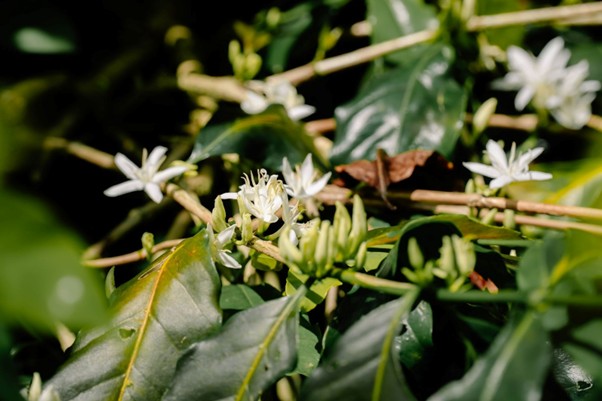
During this phase, coffee flowers are capable of self-pollination because they contain both male and female reproductive organs. However, insects and wind often assist the pollination process, increasing the chances of successful fruit development.
The process begins with small green buds, which gradually elongate and turn white before fully blooming. Once in full bloom, coffee flowers last only a few days before naturally wilting.
From Coffee Flower to Coffee Cherry
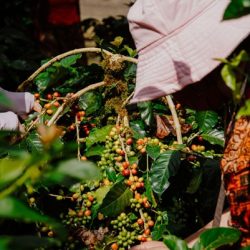
After the flowers wither, coffee cherries begin to form. Over several months, the cherries grow and mature, usually containing one or two coffee beans inside.
Not all cherries develop equally. Only ripe coffee cherries with a deep red color are considered ideal for harvesting. These cherries contain the best flavor potential and are essential for producing high-quality and specialty coffee.
Why Not All Coffee Becomes Specialty Coffee
Although thousands of flowers may bloom on a single coffee tree, only a portion of them turn into premium-quality coffee cherries. Factors such as climate, soil conditions, altitude, and farming practices play a major role in determining quality.
To meet specialty coffee standards, cherries must be harvested at peak ripeness and processed with precision. This is why specialty coffee represents the highest level of care and craftsmanship in the coffee industry.
The Long Journey Behind Every Cup of Coffee
The journey of coffee is long and complex. From flower to cherry, bean to brew, each stage requires patience, skill, and dedication from farmers and producers.
Behind every cup of coffee lies a story of nature, tradition, and hard work—often unseen but deeply felt in every sip.
Experience the Coffee Life Cycle Through a Coffee Tour
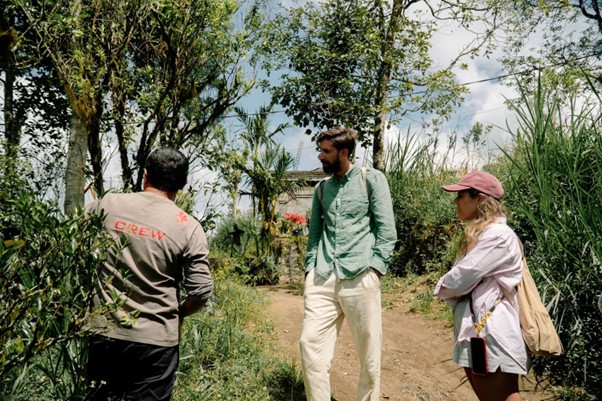
To truly understand how coffee grows, nothing compares to experiencing it firsthand. A coffee tour allows visitors to see the entire coffee life cycle, from blooming flowers to freshly harvested cherries and roasted beans.
Join the Coffee Tour with Eco Bike Coffee and discover how nature, culture, and sustainable farming come together to create an authentic and unforgettable coffee experience.