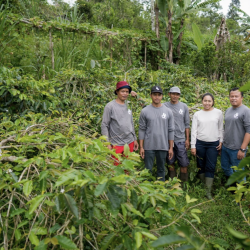
Indonesian coffee is celebrated worldwide. Regions like Toraja, Gayo, and Flores produce coffee that is exported and enjoyed globally. In 2024 alone, over 300,000 tons of Indonesian coffee were exported to several countries. However, Kintamani coffee, a specialty Arabica coffee from Bali, faces unique challenges that make large-scale exports nearly impossible. Unlike industrial plantations, Kintamani relies on traditional smallholder coffee farms, where coffee is part of a diversified agricultural system.
Kintamani’s Coffee Landscape
Most Arabica coffee farms in Bali are located in the Kintamani highlands. The cool mountain climate and volcanic soil from Mount Batur provide ideal conditions for growing high-quality Arabica coffee. By the 2000s, Kintamani coffee gained recognition in the global market for its citrusy, clean, and unique flavor profile.
As international demand increased, farmers began prioritizing coffee quality. However, mass production of Kintamani specialty coffee remains challenging. These farms are family-run and small-scale, emphasizing quality and sustainability over volume.
Why Industrial Coffee Farms Don’t Exist in Kintamani
Several factors explain why industrial coffee farms are absent in Kintamani:
- Limited land availability – Bali is a small province, and Kintamani’s hilly terrain, villages, and tourism make large monoculture plantations impractical.
- Economic limitations – Smallholder farmers often lack the capital for industrial coffee operations, making diversification necessary.
- Generational farming system – Land is divided into small plots passed down through families, creating fragmented farms unsuitable for large-scale production.
Diversification: A Key Strategy for Kintamani Farmers
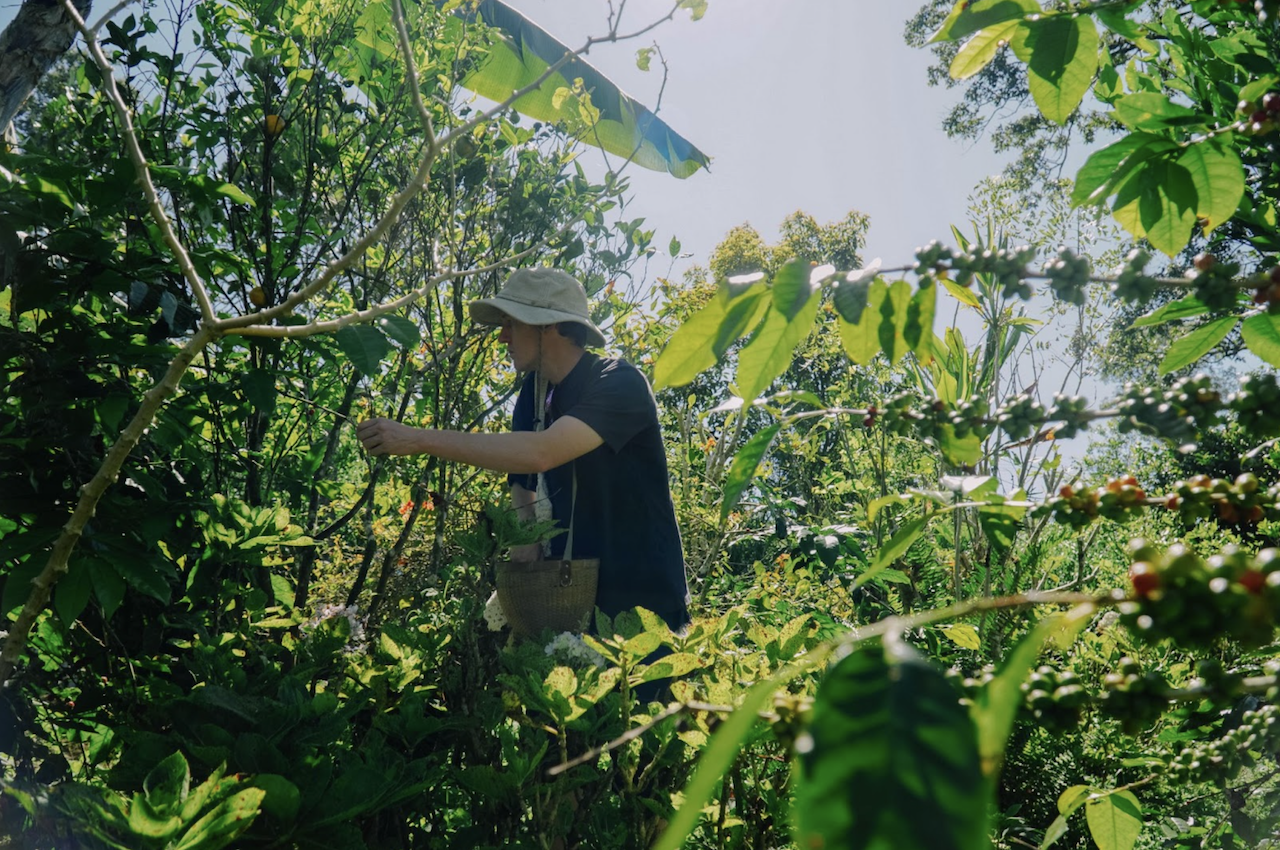
Farmers in Kintamani practice agroforestry by growing multiple crops alongside coffee, such as oranges, avocados, and even flower plants like bougainvillea.
This diversified farming system ensures:
- Stable income throughout the year – Coffee harvests are seasonal, lasting about a month, with additional processing time. Other crops generate income during off-season months.
- Coffee quality protection – Fruit trees act as shade trees, protecting coffee from unpredictable weather and improving bean flavor.
- Risk reduction – Coffee yields depend heavily on weather and price fluctuations. Crops like oranges and avocados provide a financial safety net, ensuring farmers can earn even if coffee prices drop.
Economic & Social Realities of Kintamani Coffee Farmers
Smallholder coffee farms in Bali face economic challenges. Many farmers supplement their income through fruit sales, vegetables, or local tourism. Despite limited revenue from green coffee beans and reliance on middlemen, traditional coffee farming in Kintamani is a cultural practice that preserves community values, family heritage, and sustainable agriculture.
The Value of Kintamani Specialty Coffee
Even without industrial-scale production, Kintamani coffee holds a respected place in the specialty coffee market. Traditional intercropping systems enhance coffee’s unique terroir, support biodiversity, and maintain ecological balance. Shade trees from other crops improve bean quality, and small-scale farming keeps Bali’s coffee culture alive.
Opportunities for Sustainable Growth
Kintamani’s smallholder coffee farms face challenges, but opportunities exist:
- Cooperatives and fair trade programs can improve market access and pricing for farmers.
- Agro-tourism allows visitors to experience traditional Bali coffee farming while supporting local communities.
- Sustainable farming practices highlight Kintamani coffee as high-quality, eco-friendly, and socially responsible, attracting conscious consumers worldwide.
In Eco Bike Coffee, these opportunities bloom into real actions. We collaborate with local farmers and help them make a more sustainable practice through partnership and education. We also provide a coffee tour for customers where they can experience a day as coffee farmers from handpicking (when harvest season), processing, and even cupping.
Final Thoughts
The future of Kintamani coffee lies in preserving traditional, smallholder, and sustainable farming systems, not industrialization. By prioritizing quality over quantity, supporting farmers, and maintaining cultural practices, Kintamani continues to produce specialty Arabica coffee that is unique, flavorful, and globally recognized.
Kintamani coffee is more than a beverage—it is a story of resilience, culture, and environmental stewardship. By supporting these smallholder farms, coffee lovers worldwide help maintain a sustainable specialty coffee ecosystem in Bali.